Waste Pipe Sizes Explained: 32mm, 40mm, 50mm
For a standard bathroom, you need 32 mm waste pipe for basins and 40 mm waste pipe for baths and showers. Kitchen sinks also use 40 mm. A 50 mm pipe is used for shared waste runs where multiple fixtures discharge into a single pipe before it reaches the soil stack or gully. These sizes are set by Building Regulations (Approved Document H) and BS EN 12056-2, and using the wrong size causes slow drainage, blockages, and potential trap siphonage.
Waste pipe sizing is not arbitrary — each diameter is matched to the flow rate and debris content of the fixture it serves. A basin produces a small, clean flow; a bath produces a large surge; a kitchen sink produces greasy, food-laden water. The pipe size must handle the peak flow without pressurising the system or siphoning water from other traps. Getting the sizing right from the start prevents costly rework and ensures your installation passes Building Control inspection first time.
Waste Pipe Sizes by Fixture
| Fixture | Waste Pipe Size | Why This Size |
|---|---|---|
| Basin / handwash | 32 mm | Low flow rate, small trap |
| Bidet | 32 mm | Similar to basin |
| Bath | 40 mm | High-volume discharge when emptying |
| Shower | 40 mm | Continuous flow at moderate rate |
| Kitchen sink | 40 mm | Moderate flow with grease/food debris |
| Utility sink | 40 mm | Moderate flow |
| Washing machine | 40 mm standpipe | Pump discharge |
| Dishwasher | 40 mm (via sink waste or separate) | Pump discharge, hot water |
| Urinal | 32 mm or 40 mm | Depends on type and flush volume |
| Combined waste (multiple fixtures) | 50 mm | Higher total flow from multiple sources |
These sizes apply to PVC-U waste pipe manufactured to BS EN 1329-1 and BS EN 1455-1, which covers the vast majority of domestic waste systems in the UK. Both push-fit and solvent weld pipe share the same external diameter standards, so the size designation is consistent across systems.
Maximum Branch Pipe Lengths
Building Regulations limit how far each fixture can be from the soil stack or drain connection:
| Pipe Size | Maximum Branch Length | Maximum Gradient | Minimum Gradient |
|---|---|---|---|
| 32 mm | 1.7 m | 1:12 (87 mm/m) | 1:50 (20 mm/m) |
| 40 mm | 3.0 m | 1:12 (87 mm/m) | 1:50 (20 mm/m) |
| 50 mm | 4.0 m | 1:12 (87 mm/m) | 1:50 (20 mm/m) |
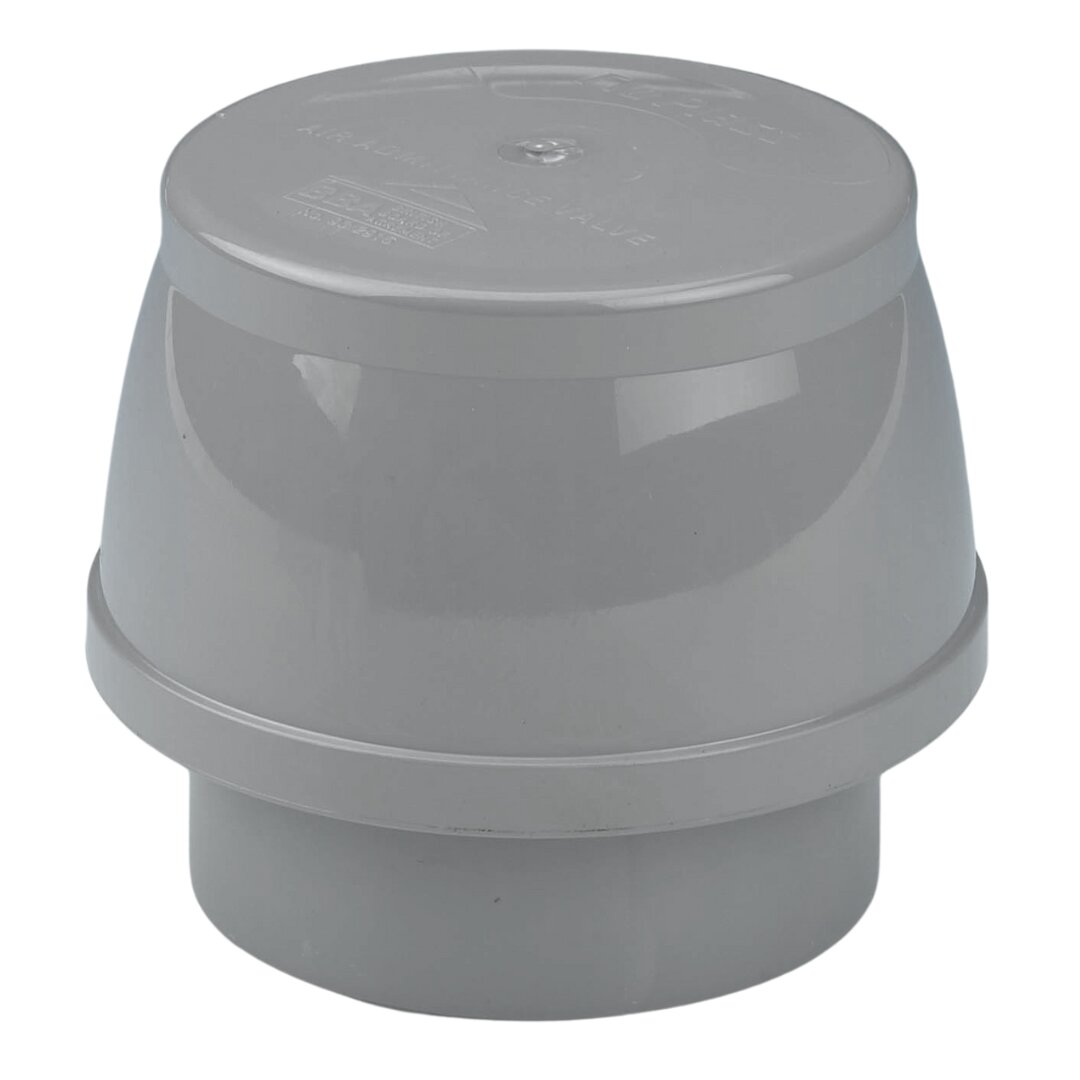
If the branch length exceeds these maximums, you need either a larger pipe, a separate waste run, or an air admittance valve to prevent trap siphonage.
Why Length Matters
A long waste pipe creates a column of water when the fixture discharges. As this slug of water flows down the pipe, it pulls air behind it, creating negative pressure that can siphon water from the trap of the fixture (or a nearby fixture). The maximum lengths in the table above prevent this from happening.
These limits come from Approved Document H, Section 1, and are based on the pipe’s ability to self-vent over the given distance. Exceeding them does not just risk trap siphonage — it also creates a system that Building Control will reject on inspection.
When to Use 50mm Waste Pipe
50 mm waste pipe is used when:
Combined Waste Runs
Where multiple fixtures share a single horizontal waste run before it reaches the stack or gully. For example:
- Basin (32 mm) + bath (40 mm) → combined into a single 50 mm run to the stack
- Kitchen sink (40 mm) + washing machine (40 mm) → combined 50 mm to a gully
Long Runs
When the distance from the fixture to the stack exceeds the maximum for 40 mm (3 m), stepping up to 50 mm gives additional capacity and a longer permitted branch length (4 m).
High-Flow Fixtures
Commercial dishwashers, large baths, and multi-head showers with higher flow rates benefit from 50 mm pipe.
Ground-Floor Waste to External Gully
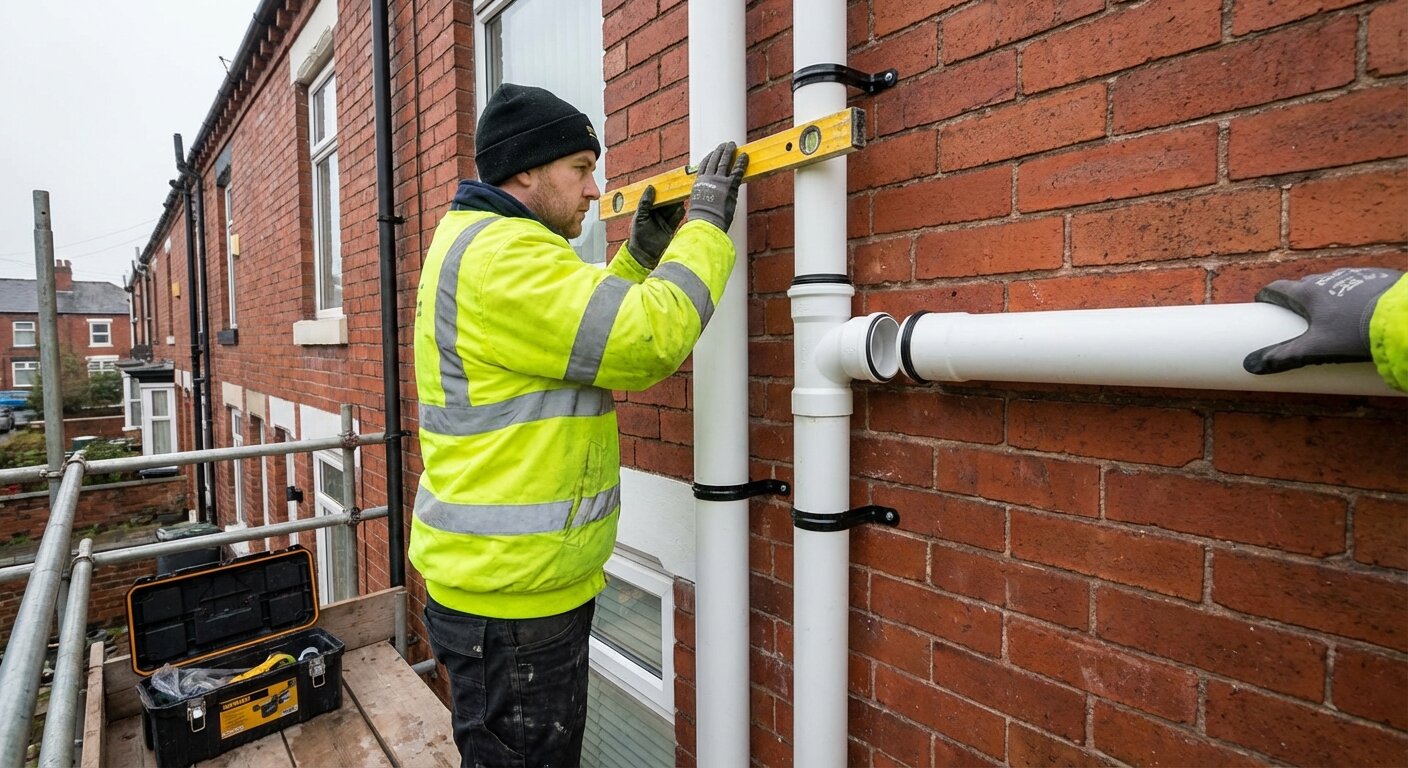
Where ground-floor fixtures discharge through an external wall to a yard gully, the external waste run is often 50 mm to accommodate the combined flow from the kitchen or utility room.
Trap Sizes
Every fixture needs a trap (U-bend) that holds a water seal to prevent sewer gas entering the room. The trap must match the waste pipe size:
| Pipe Size | Trap Depth (Water Seal) | Common Trap Types |
|---|---|---|
| 32 mm | 75 mm (standard) | Bottle trap, P-trap, S-trap |
| 40 mm | 75 mm (standard) | P-trap, S-trap, bath trap, shower trap |
| 50 mm | 75 mm (standard) | P-trap, S-trap |
Trap Types Explained
- Bottle trap — compact, visible under basins. Good for modern bathrooms where the trap is on show. Easy to disassemble for cleaning.
- P-trap — exits horizontally through the wall. Standard on wall-mounted waste runs. Reliable and widely available.
- S-trap — exits vertically through the floor. Used when the waste pipe runs below the floor.
- Bath trap — shallow profile to fit in the limited space under a bath. Typically 40 mm with a 75 mm seal depth but reduced overall height.
- Shower trap — very shallow to fit under a shower tray (50–90 mm deep). Must be matched to the tray’s drain recess.
- Running trap — installed in-line on a waste run, typically for appliance connections where no dedicated fixture trap exists.
A 75 mm water seal is the Building Regulations minimum for domestic waste traps. Deeper seals (up to 100 mm) are available for installations where evaporation or pressure fluctuations are a concern, such as infrequently used fixtures in holiday properties.
Material Options
Waste pipe is available in:
| Material | Characteristics | Use |
|---|---|---|
| PVC-U (white) | Standard, rigid, solvent weld | Most common for domestic waste |
| ABS (black) | Slightly more impact-resistant | Alternative to PVC-U |
| Push-fit (grey/white) | Ring-seal joints, easy assembly | DIY-friendly, accessible installations |
| Chrome-plated | PVC or brass with chrome finish | Exposed pipe runs in designer bathrooms |
| MultiFlex (flexible push-fit) | Flexible sections with push-fit joints | Tight spaces, complex routing |
Kalsi’s waste pipe systems are available in both push-fit and solvent weld variants across all standard sizes. The MultiFlex waste range adds flexible sections for routing through tight spaces.
Push-Fit vs Solvent Weld
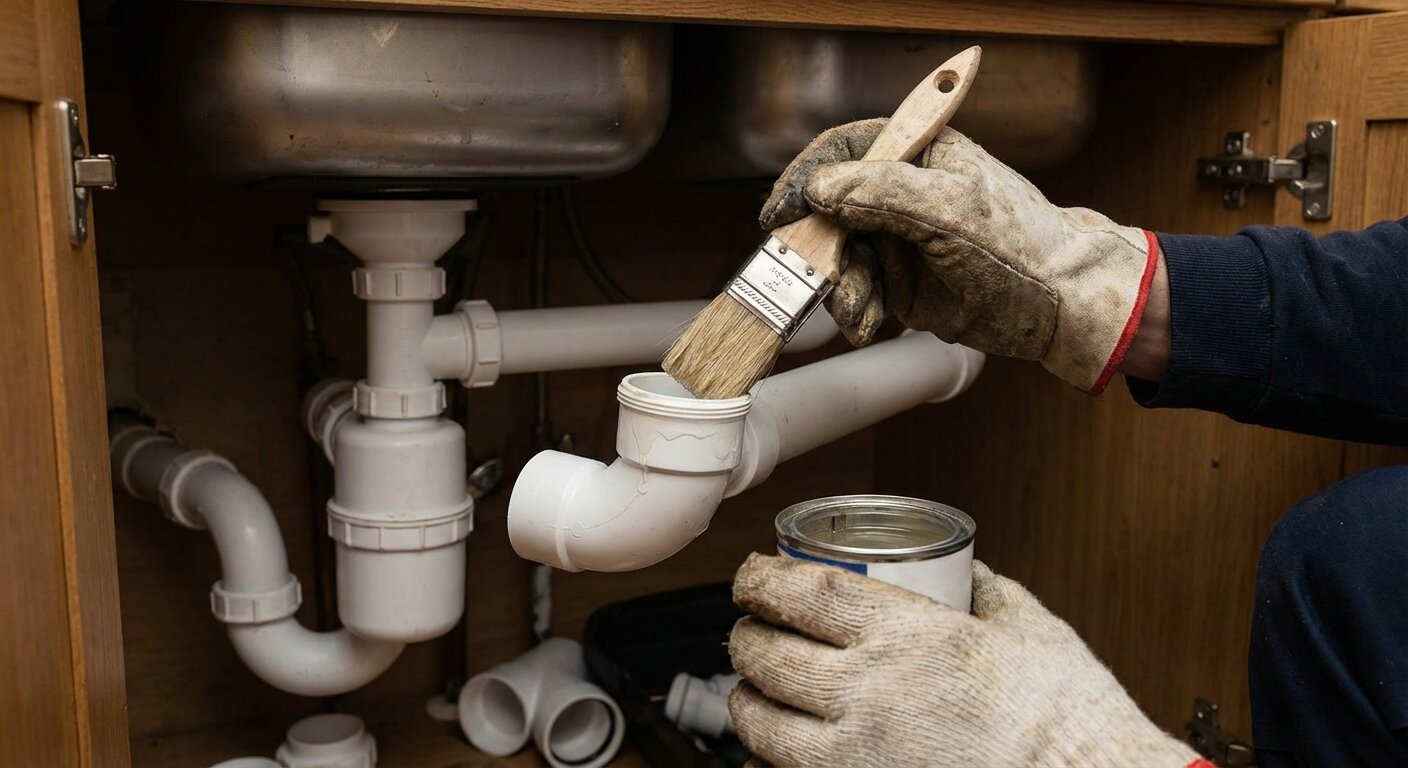
Both systems are manufactured to the same dimensional standards, so a 40 mm push-fit pipe has the same external diameter as a 40 mm solvent weld pipe. However, the fittings are not interchangeable — push-fit sockets are deeper to accommodate the rubber seal ring.
Push-fit is preferred for accessible runs where future maintenance or reconfiguration may be needed. Solvent weld is preferred for permanent, concealed runs and external pipework where the rigid, bonded joint provides extra security against movement.
Common Mistakes
1. Using 32mm for a Bath or Shower
A bath holds 80–150 litres. Emptying through a 32 mm pipe takes too long and can cause backflow. Always use 40 mm for baths and showers.
2. Excessive Branch Length
Running a 32 mm basin waste 3 m to the stack exceeds the maximum (1.7 m) and risks trap siphonage. Use 40 mm or step up to 50 mm for longer runs.
3. Too-Steep Gradient
Counter-intuitively, a very steep gradient (greater than 1:12) can cause problems. Water rushes away from the trap too quickly, pulling the water seal with it (self-siphonage). Keep the gradient between 1:12 and 1:50.
4. Missing or Wrong Trap
Every fixture must have a trap. A missing trap allows sewer gas into the room. A trap that is too shallow (less than 75 mm seal) can lose its seal through evaporation or siphonage.
5. Connecting Multiple Fixtures to a Single 32mm Pipe
Two basins or a basin and bidet can share a 32 mm run if the combined length is short. But adding a third fixture or a longer run requires stepping up to 40 mm or 50 mm.
6. Mixing Push-Fit and Solvent Weld Without Adaptors
Push-fit and solvent weld fittings have different socket depths. Pushing a solvent weld pipe into a push-fit fitting (or vice versa) without the correct adaptor results in a loose, leaking joint. Always use a dedicated push-fit to solvent weld adaptor at the transition point.
Frequently Asked Questions
What size waste pipe for a bathroom?
32 mm for basins, 40 mm for baths and showers. If multiple fixtures share a single waste run, use 50 mm. Kitchen sinks and utility rooms also use 40 mm.
Can I use 40mm pipe for a basin?
Yes, you can oversize the pipe — 40 mm on a basin works fine. However, you still need a 32 mm trap on the basin (matching the basin waste outlet) with an adaptor to connect to the 40 mm pipe.
What is the maximum length for a 32mm waste pipe?
1.7 metres from the trap to the stack or connection point, with a gradient between 1:12 and 1:50. If you need a longer run, use 40 mm (up to 3 m) or 50 mm (up to 4 m).
Why do I hear gurgling after flushing?
Gurgling in a basin or bath after a toilet flush indicates negative pressure in the waste system — typically caused by inadequate venting. When the toilet flush pulls air through the stack, it creates a vacuum that draws air through the nearest trap, causing the gurgling sound. An air admittance valve or proper stack vent resolves this.
Can I connect a washing machine waste to a 32mm pipe?
No. Washing machines discharge via a pump at relatively high flow rates. Use a 40 mm standpipe connected to a 40 mm waste run. The standpipe should be 600 mm above floor level to prevent backflow.
Related Kalsi Products
- Waste Push-Fit System — full range of 32 mm, 40 mm, and 50 mm push-fit waste pipe and fittings
- MultiFlex Waste System — flexible waste pipe for tight spaces
- 110mm Solvent Weld Soil System — soil pipe for WC connections
- Installation Guides — detailed fitting instructions
- Wall Panelling Calculator — budget your bathroom project