Waste Pipe Noise Reduction: Quieter Plumbing
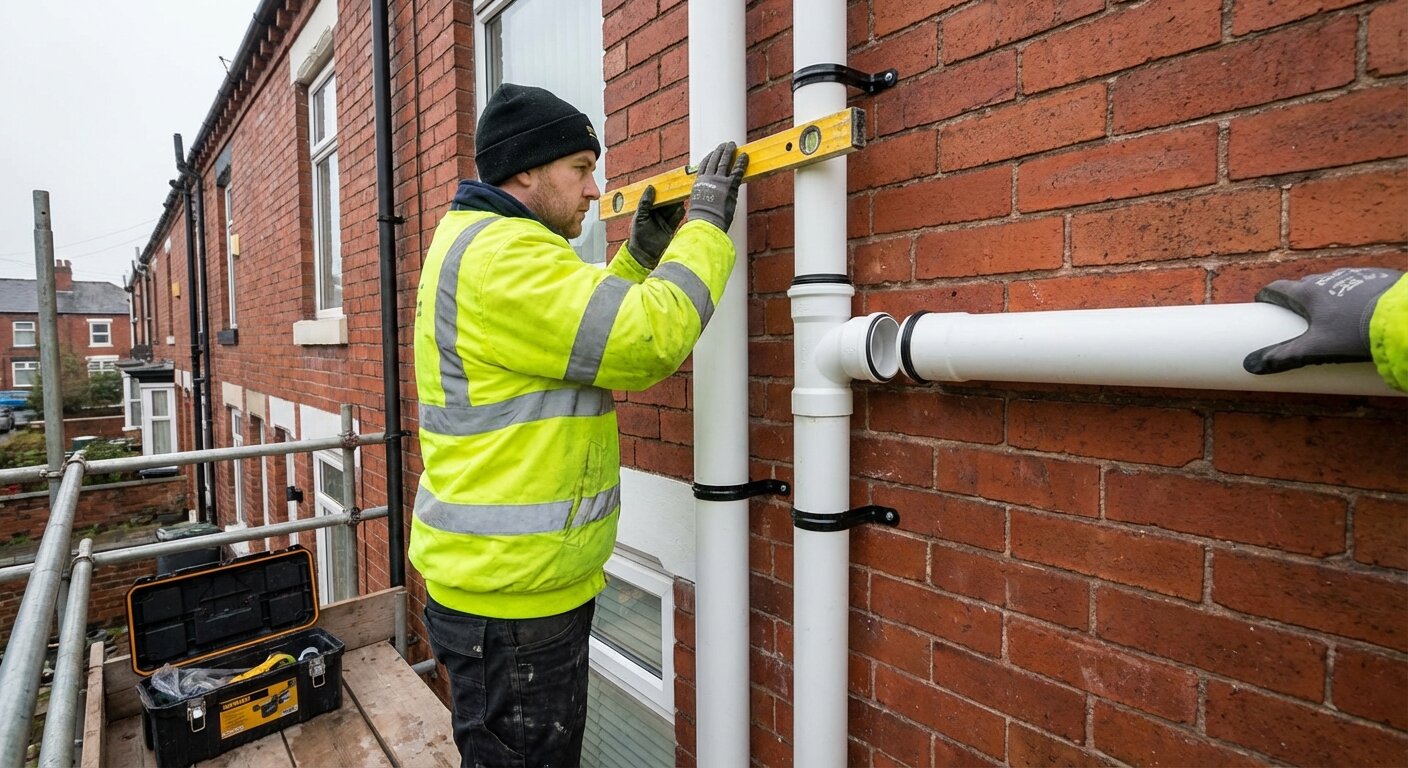
Waste pipes are noisy because water and waste falling through vertical pipes, rushing around bends, and hitting horizontal sections creates impact noise and vibration that transmits through the pipe wall into the building structure. The noise is worst on internal soil stacks passing through bedrooms and living spaces, and on first-floor waste pipes running through ceiling voids. Solutions include acoustic pipe lagging, resilient pipe clips (decoupled from the wall), filling duct voids with mineral wool, and using heavier or multi-layer pipe systems designed for noise reduction.
Waste pipe noise is one of the most common complaints in new-build flats and converted properties where soil stacks run through habitable rooms. A toilet flushing on an upper floor should not wake people sleeping below — but without proper acoustic treatment, it often does. Building Regulations (Approved Document E) set minimum sound insulation standards for separating floors and walls, and waste pipe noise can cause a building to fail these tests.
Why Waste Pipes Are Noisy
1. Water Impact
Water falling down a vertical stack hits the bottom bend at speed. The impact creates a sharp noise that radiates through the pipe wall and into the surrounding structure. The taller the stack, the greater the velocity and the louder the impact.
2. Flow Noise
Water rushing through horizontal pipe runs creates a continuous swishing/gurgling sound. The faster the flow, the louder the noise. Partially filled pipes are noisier than full-bore flow because the water tumbles and splashes.
3. Air Movement
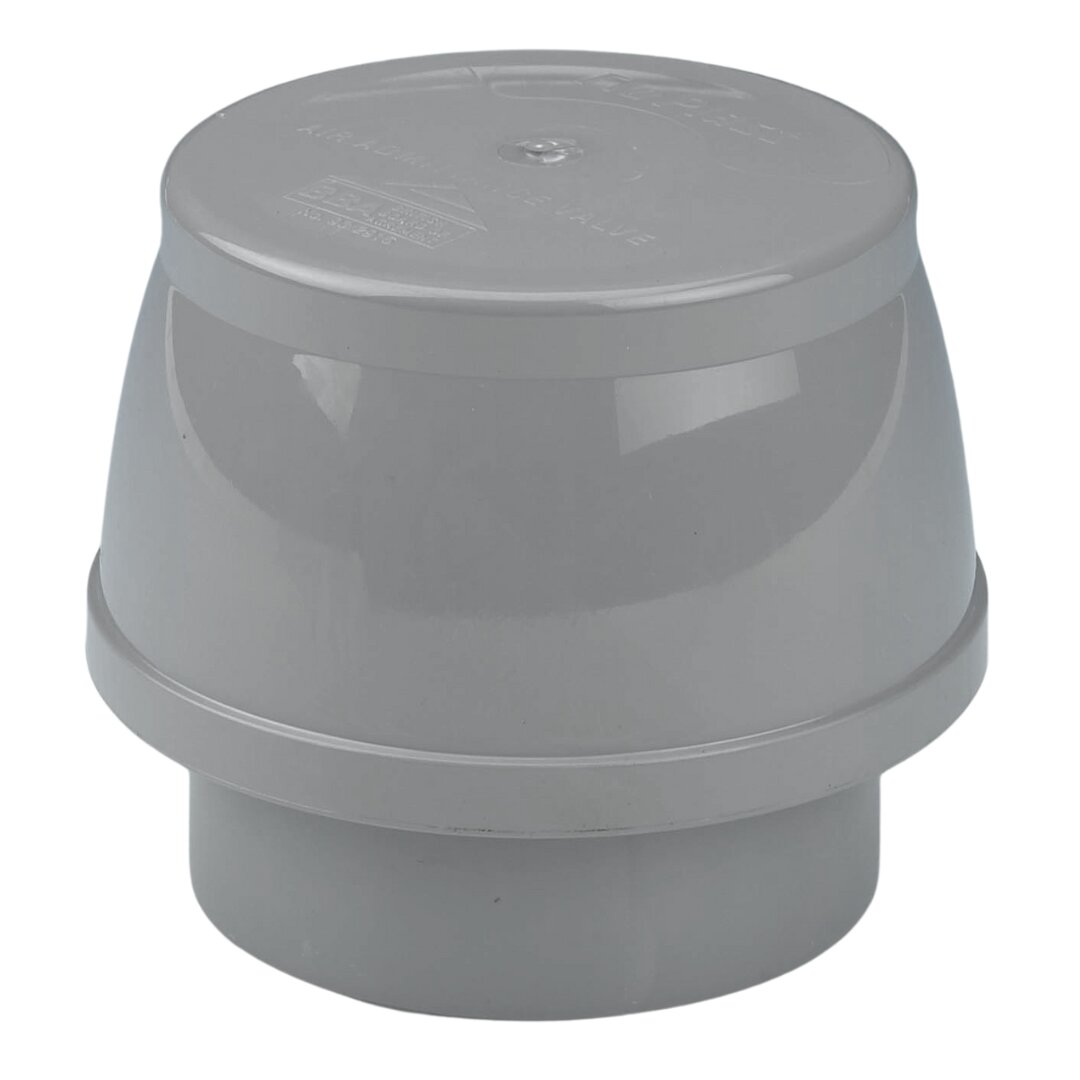
When a toilet flushes, the large water slug pushes air ahead and pulls air behind, creating whooshing and sucking noises — especially audible near traps and AAVs. This is why traps can gurgle after an upstairs flush.
4. Vibration Transmission
PVC-U pipe is rigid. Where it is fixed directly to the building structure (walls, joists, floor plates), vibrations from flowing water transmit into the structure and radiate as airborne noise in adjacent rooms. This is called structure-borne noise and it is the hardest type to eliminate after installation.
5. Resonance in Ducts
An enclosed duct around a soil stack acts as a resonating chamber. The pipe noise bounces off the duct walls and amplifies, making the problem significantly worse than if the pipe were exposed.
Noise Reduction Solutions
1. Acoustic Pipe Lagging
Wrapping waste and soil pipes in acoustic lagging absorbs vibration and reduces noise radiation.
| Lagging Type | Noise Reduction | Cost |
|---|---|---|
| Foam pipe insulation (standard) | Moderate (~5 dB reduction) | £2–4/m |
| Acoustic mineral wool wrap | Good (~10 dB reduction) | £5–10/m |
| Mass-loaded vinyl (MLV) wrap | Excellent (~15 dB reduction) | £10–20/m |
| Multi-layer acoustic lagging (MLV + foam) | Best (~20 dB reduction) | £15–30/m |
For maximum noise reduction, use a multi-layer system: foam against the pipe (absorbs vibration), then MLV (blocks airborne noise), then an outer foam layer. This sandwich construction addresses both structure-borne and airborne noise pathways.
2. Resilient Pipe Clips
Standard pipe clips transmit vibration directly from the pipe into the wall. Resilient clips incorporate a rubber or neoprene isolator that decouples the pipe from the structure.
Replace standard clips with resilient clips on all sections running through or adjacent to habitable rooms. The cost difference is minimal (typically 50p–£1 per clip more than standard), but the noise reduction is significant.
3. Fill Duct Voids
If the soil stack is enclosed in a duct or boxed-in partition:
- Fill the void around the pipe with mineral wool (not touching the pipe — leave a 25 mm gap)
- Line the duct walls with acoustic plasterboard (double-layer for best results)
- Seal all gaps and penetrations through the duct walls with acoustic sealant
- Ensure no rigid connection between the pipe and duct walls — if the pipe touches the duct wall, vibration transfers directly
4. Heavyweight Pipe Systems
Some manufacturers produce acoustically optimised soil and waste pipes with thicker walls or multi-layer construction (typically a mineral-filled core between PVC layers). These are significantly quieter than standard PVC-U but cost 3–5× more.
These are worth considering for:
- Internal stacks in luxury apartments
- Stacks passing through master bedrooms or studies
- Projects where the acoustic test pass margin is tight
5. Careful Routing
Where possible:
- Route waste pipes away from bedrooms and living rooms
- Avoid running the soil stack through the centre of the building — external stacks or stacks in non-habitable areas (stairwells, utility rooms) are quieter locations
- Minimise bends and offsets in the stack — each change of direction creates additional noise
- Use long-radius bends instead of sharp 90° bends at the base of stacks to reduce impact noise
6. Fire Collars and Acoustic Sealing
Where soil pipes pass through separating floors between flats, fire collars are required for fire stopping. Choose collars with integrated acoustic seals — these provide both fire resistance and sound insulation in a single product, rather than adding acoustic treatment separately.
Building Regulations: Acoustic Requirements
Approved Document E (Resistance to Sound)
Part E applies to:
- Separating floors and walls between different dwellings (flats, maisonettes)
- Rooms used for sleeping in new builds and conversions
| Element | Performance Standard |
|---|---|
| Separating floor (airborne) | Min 43 dB DnT,w |
| Separating floor (impact) | Max 64 dB L’nT,w |
| Separating wall (airborne) | Min 43 dB DnT,w |
Waste pipes passing through separating floors and walls can compromise these standards if not properly treated. Building Control may fail an acoustic test if pipe noise is excessive.
Pre-Completion Testing
On many projects (particularly flat conversions and new-build apartments), pre-completion acoustic testing is mandatory. The tester measures airborne and impact sound insulation between dwellings. An untreated soil stack running through a separating floor can add 5–15 dB to the measured noise level — enough to cause a test failure.
What This Means in Practice
On any project involving soil stacks or waste pipes passing through separating elements between different dwellings:
- Lag all pipes passing through or adjacent to separating floors and walls
- Use resilient clips throughout
- Fill duct voids with acoustic insulation
- Seal all penetrations through separating elements with acoustic sealant or intumescent collars
- Consider acoustic pipe systems if the budget allows and the acoustic margin is tight
Quick Fixes for Existing Noisy Pipes
| Fix | DIY? | Cost | Effectiveness |
|---|---|---|---|
| Wrap exposed pipes with foam lagging | ✓ | £10–30 | Moderate |
| Replace standard clips with resilient clips | ✓ | £20–50 | Good |
| Add mineral wool in accessible duct voids | ✓ | £20–50 | Good |
| Add mass-loaded vinyl around pipe in duct | ✓ (if accessible) | £50–150 | Very good |
| Re-board duct with acoustic plasterboard | Moderate DIY | £100–300 | Excellent |
| Replace pipe with acoustic system | Professional | £500–2,000 | Best |
For most homeowners, the best return on investment is the combination of resilient clips and mineral wool in the duct void. These two measures together can reduce noise by 10–15 dB — the equivalent of halving the perceived loudness.
Frequently Asked Questions
Why are my waste pipes noisy?
Water falling through vertical pipes, rushing around bends, and impacting at changes of direction creates noise that transmits through the rigid PVC pipe into the building structure. The noise is loudest on internal stacks and pipes running through floor voids between habitable rooms.
How do I quieten a noisy soil stack?
Wrap the pipe with acoustic lagging (mineral wool or mass-loaded vinyl), replace standard pipe clips with resilient (rubber-isolated) clips, fill the duct void around the pipe with mineral wool, and seal any gaps where the duct wall meets the floor or ceiling. A multi-layer approach provides the best results.
Does pipe lagging help with noise?
Yes. Acoustic pipe lagging reduces noise by 5–20 dB depending on the material. Standard foam insulation provides moderate reduction; mass-loaded vinyl provides excellent reduction. For the best results, use a combination of both.
Is waste pipe noise a Building Regulations issue?
Yes, where pipes pass through separating floors or walls between different dwellings. Approved Document E sets minimum sound insulation standards, and untreated waste pipes can cause a building to fail acoustic testing. Treatment is essential on flats, conversions, and HMOs.
Can I use any pipe to reduce noise?
Some manufacturers produce acoustically optimised pipes with thicker or multi-layer walls that reduce noise at source. These cost significantly more than standard PVC-U but are worth considering for internal stacks in noise-sensitive locations (bedrooms, studies, living rooms).
Related Kalsi Products
- Soil & Waste Systems — 110 mm soil pipe and waste systems
- 160mm Solvent Weld System — large-bore soil pipe
- Waste Push-Fit System — 32 mm, 40 mm and 50 mm waste pipe
- Installation Guides — including acoustic treatment guidance
- Technical Resources — specifications and compliance information