Wall Panelling for Landlords: Quick Bathroom Upgrades
The best bathroom upgrade for rental properties is PVC wall panelling — it installs in 4–8 hours (minimising void days), costs 40–60% less than tiling, requires zero maintenance from tenants, and is 100% waterproof with no grout to deteriorate. For a landlord managing multiple properties, wall panels solve the biggest pain points of rental bathrooms: speed of turnaround between tenancies, durability against tenant wear, elimination of mould-prone grout, and a clean, modern appearance that attracts better tenants and justifies higher rents.
Every landlord knows the bathroom dilemma: it needs to look good to attract tenants, survive years of use without constant maintenance, and be refurbished quickly between tenancies. Tiling delivers on appearance but fails on speed and maintenance. Paint is fast but not waterproof. Wall panels deliver all three — appearance, durability, and speed — which is why they have become the go-to bathroom finish for professional landlords and property managers across the UK.
Why Panels Beat Tiles for Rental Properties
| Factor | Wall Panels | Tiles |
|---|---|---|
| Installation time | 4–8 hours (1 day) | 2–4 days |
| Void days lost | 0–1 day | 3–5 days |
| Materials cost (standard bathroom) | £200–500 | £300–1,200 |
| Labour cost | £150–400 | £400–1,200 |
| Total fitted cost | £350–900 | £700–2,400 |
| Grout maintenance | None | Regrouting every 5–10 years |
| Mould risk | Very low | High (grout is mould-prone) |
| Tenant-proof? | Very (impact-resistant PVC) | Moderate (tiles chip, grout stains) |
| Over existing tiles? | Yes — no demolition | Must remove old tiles |
| Lifespan | 15–20 years | 20–30 years (grout fails sooner) |
The Void Day Calculation
Every day a property sits empty costs money. A typical rental in a mid-range area generates £20–40 per day. A tiled bathroom refit takes 3–5 days minimum (demolition, surface prep, tiling, grouting, drying). A panel installation takes 1 day — sometimes less.
Saving: 2–4 void days × £20–40/day = £40–160 saved per turnaround. Over a 10-year period with five tenancy changes, that saving alone covers the cost of the panels.
Cost Comparison: Portfolio Scale
For a landlord managing 10 properties, each needing a bathroom refresh over 5 years:
| Item | Panels (10 bathrooms) | Tiles (10 bathrooms) |
|---|---|---|
| Materials | £2,000–5,000 | £3,000–12,000 |
| Labour | £1,500–4,000 | £4,000–12,000 |
| Maintenance (grout/mould over 5 years) | £0 | £500–2,000 |
| Void days (total across portfolio) | 0–10 days | 30–50 days |
| Total 5-year cost | £3,500–9,000 | £7,500–26,000 |
Panels save £4,000–17,000 across a 10-property portfolio over 5 years. The saving increases with property count.
The Mould Problem (And How Panels Solve It)
Mould is the number one tenant complaint in UK bathrooms. It is also a legal issue — landlords have a duty under the Housing Health and Safety Rating System (HHSRS) to address damp and mould that affects tenant health.
Why Tiled Bathrooms Get Mouldy
Grout is porous. It absorbs moisture from every shower, every bath, and every steamy morning. Over time, mould colonises the grout lines — first as surface staining, then as embedded growth that no amount of bleach can permanently remove. The only solution is regrouting — which costs £150–400 and takes a full day.
Why Panels Don’t
PVC panels have no grout. The tongue-and-groove joints create a continuous waterproof surface. There is no porous material for mould to colonise. Surface condensation (which occurs in any bathroom) wipes off with a damp cloth. The result: no mould complaints, no maintenance callouts, no HHSRS concerns.
Durability: Tenant-Proofing Your Bathroom
Rental bathrooms take more punishment than owner-occupied ones. Tenants may not report minor damage, cleaning may be inconsistent, and turnover means frequent wear on surfaces.
How Panels Handle Rental Use
- Impact resistance: PVC absorbs minor impacts (shower heads dropping, bottles falling) without cracking — unlike ceramic tiles that chip and crack
- Stain resistance: Non-porous surface resists staining from hair dye, cleaning products, and cosmetics
- No grout to stain: The most visible sign of a neglected bathroom (black grout lines) does not exist
- Easy cleaning: Tenants who do clean find panels easier to maintain than tiles — a wipe with a bathroom spray is all that is needed
- Individual panel replacement: If one panel is damaged, it can be replaced without disturbing the rest of the installation
What Panels Won’t Withstand
- Sharp impacts: A sharp object (screwdriver, metal bracket) can gouge the PVC surface
- Heat damage: Holding a heat source (hair straighteners, cigarettes) against the panel surface can cause melting or discolouration
- Abrasive cleaning: Scouring pads and abrasive cleaners can wear the surface finish
Include basic care instructions in your tenant handbook. A simple note about using non-abrasive cleaners is all that is needed.
Installation for Landlords: Practical Approach
The Between-Tenancy Refit
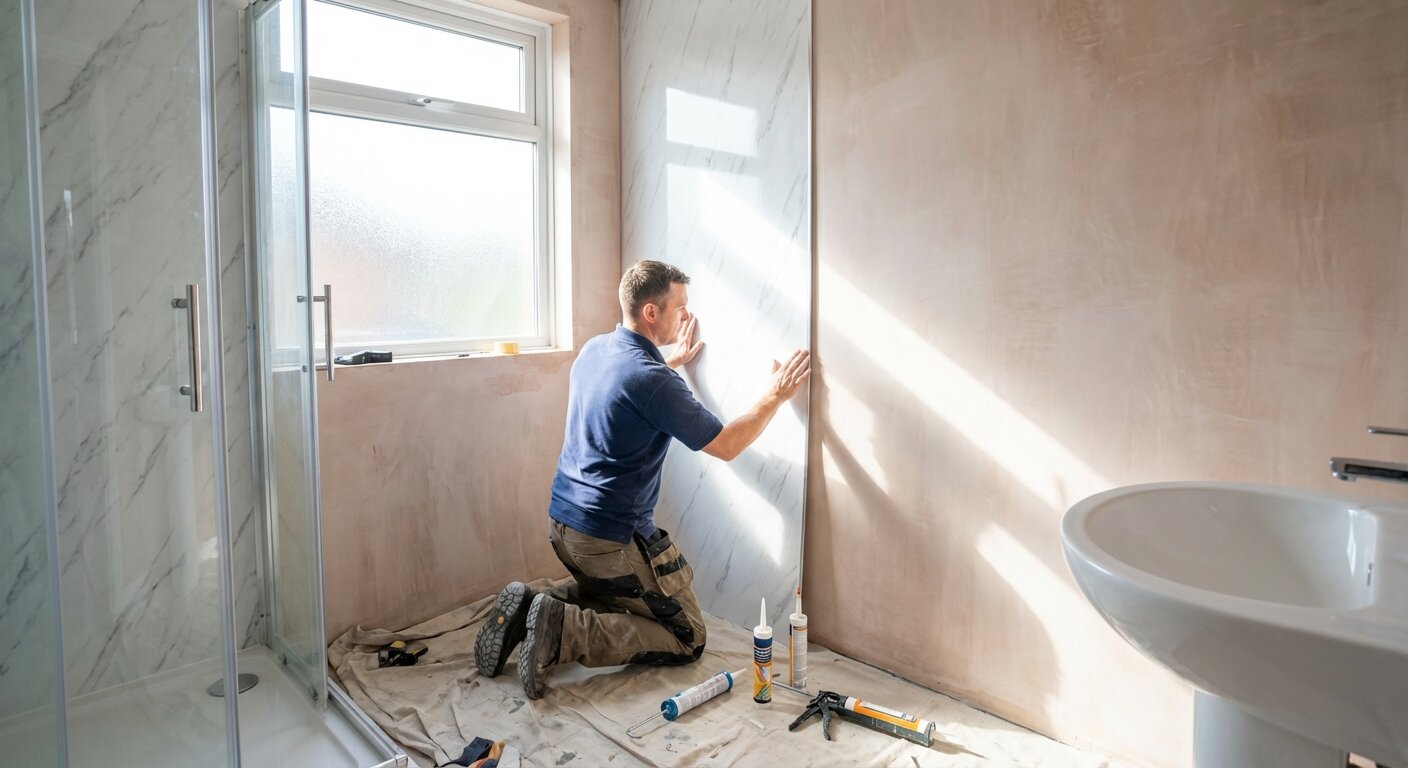
The ideal time to panel a bathroom is between tenancies, when the property is empty:
- Day before: Order panels, adhesive, trims, and sealant (or collect from merchant)
- Morning: Strip existing wall covering if needed (panels go over tiles, so this may not be necessary)
- Midday: Install trims, cut and fit panels
- Afternoon: Seal edges, clean up, final inspection
- Next morning: Property ready to list
The Managed Installation
For landlords who use a handyman or property maintenance company:
- Provide a specification: Panel colour, trim type, adhesive brand
- Stock standard materials: If you use the same panel across multiple properties, buy in bulk for significant savings
- Create a checklist: Wall prep, trim installation, panel fitting, sealant, cleanup, photography
- Photograph before and after: Useful for deposit disputes and marketing
Over Existing Tiles (The Fastest Option)
If the existing tiles are firmly fixed:
- Clean tile surface (degreaser, rinse, dry)
- Install trims directly over tile edges
- Apply adhesive to panel backs
- Press panels onto tile surface
- Seal and finish
Total time: 3–5 hours. No tile removal, no dust, no skip hire, no replastering.
Choosing Panels for Rental Properties
Colour Selection
- Light, neutral colours appeal to the widest range of tenants
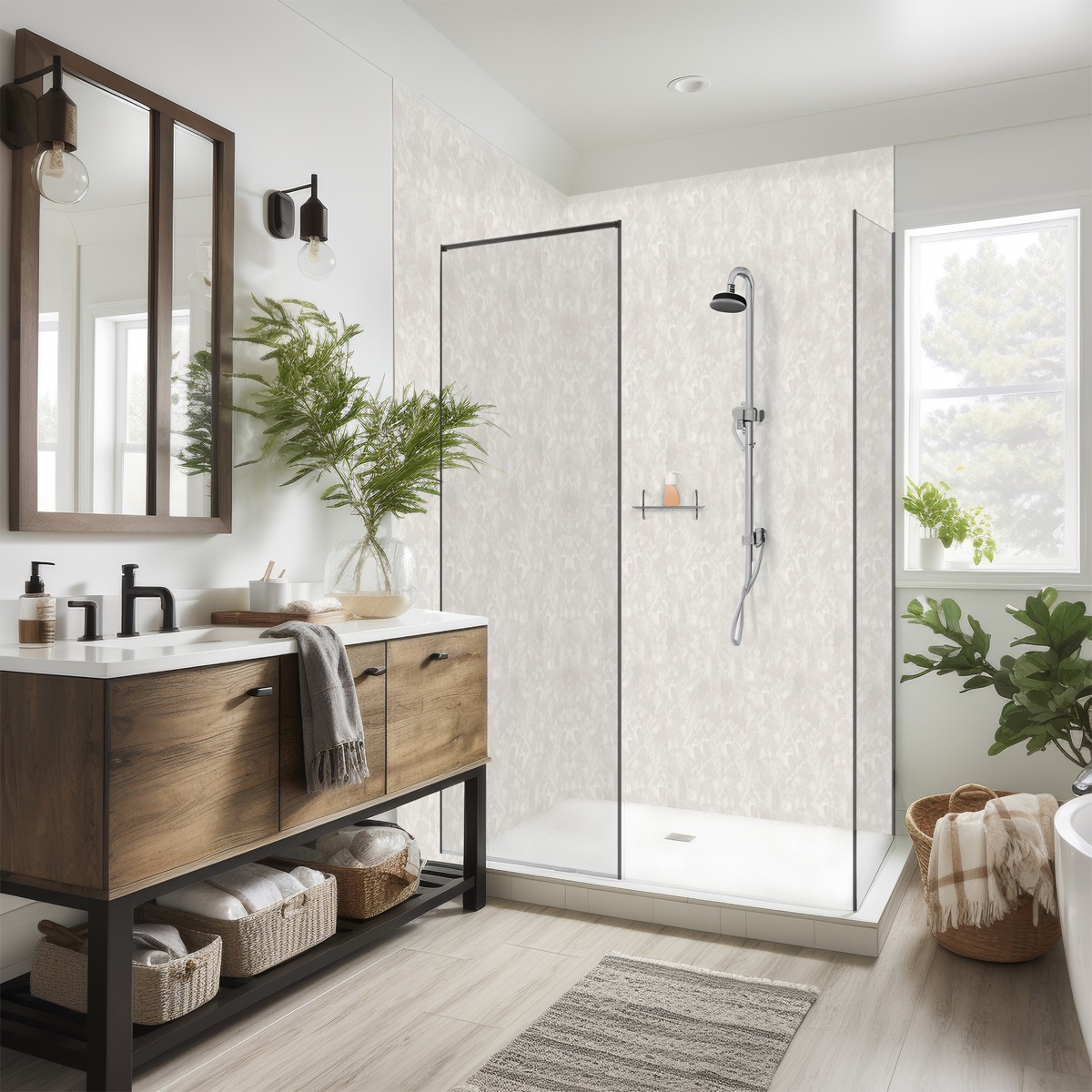
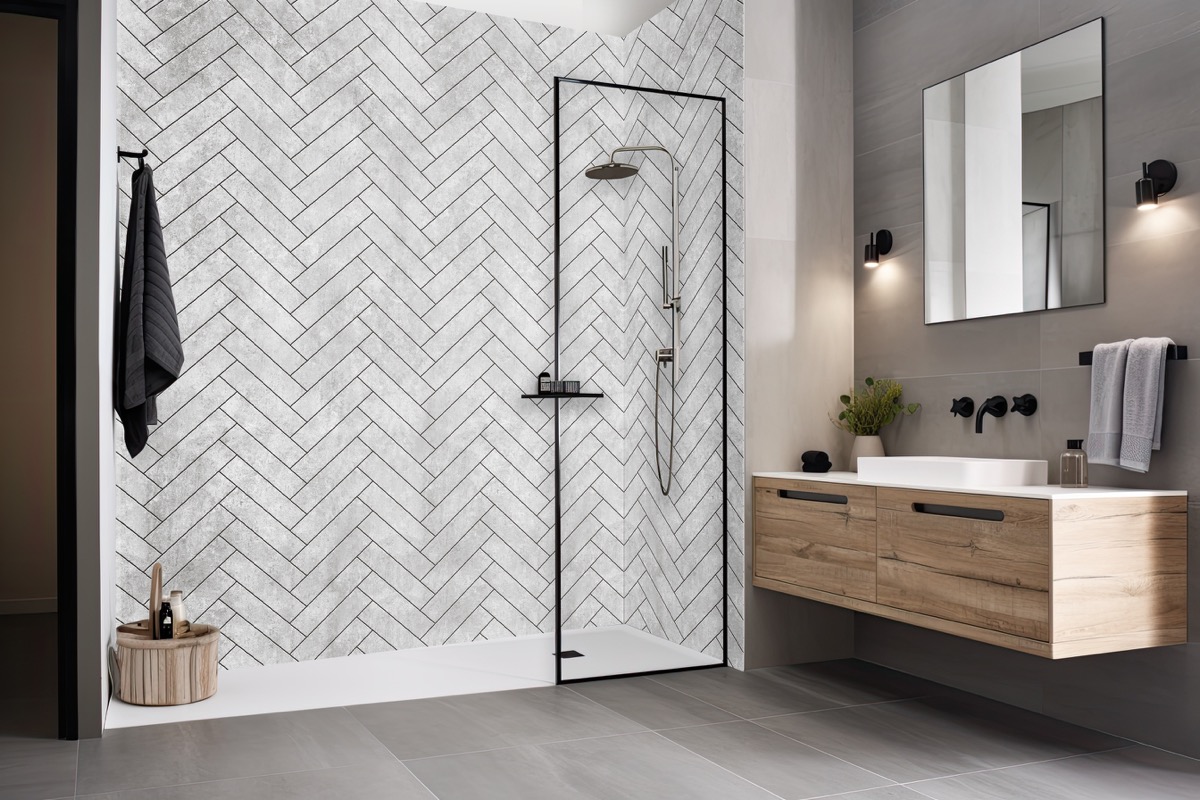
- White, light grey, or stone effect are the safest choices
- Avoid bold or trend colours that may date or polarise tenant preferences
- Marble effect is currently very popular and adds a premium feel at minimal extra cost
Finish Selection
- Smooth panels are the easiest to clean and maintain — recommended for most rental properties
- Embossed panels look more premium and may justify a higher rent, but require slightly more cleaning effort
- See our comparison: smooth vs embossed wall panels
Quality Level
Buy mid-range panels. The cheapest panels may look thin and flimsy (tenants notice), while premium panels offer diminishing returns in a rental context. A good-quality standard panel from a reputable manufacturer delivers the best balance of appearance, durability, and cost.
The ROI Calculation
Direct Savings
- Lower fitted cost: Save £350–1,500 per bathroom vs tiling
- Reduced void days: Save £40–160 per tenancy change
- Zero grout maintenance: Save £150–400 per regrouting cycle
Indirect Benefits
- Better tenant retention: A clean, modern, mould-free bathroom reduces complaints and tenant turnover
- Higher rent potential: A panel bathroom looks modern and well-maintained; tenants pay more for properties that look cared-for
- Faster lettings: Fresh, clean bathrooms attract more viewings and faster lettings
- Reduced maintenance callouts: No mould, no loose tiles, no grout repairs = fewer emergency maintenance visits
Frequently Asked Questions
Best bathroom upgrade for rental properties?
PVC wall panelling. It installs in one day, costs 40–60% less than tiling, is 100% waterproof with no grout to maintain, and withstands the wear of tenant use. It can be fitted over existing tiles for the fastest possible turnaround.
How long do wall panels last in a rental property?
15–20 years with normal tenant use and basic cleaning. They are more durable than grout (which fails in 5–10 years) and more resilient to everyday impacts than ceramic tiles.
Can I fit wall panels myself?
Yes. Many landlords fit panels themselves using basic DIY tools — no specialist skills are needed. The process is straightforward: prepare the surface, install trims, cut and fit panels, seal edges. See our installation guide.
Do wall panels look too cheap for a rental?
Not with modern panels. Mid-range marble-effect or stone-effect panels look clean, contemporary, and premium. Budget plain-white panels can look basic, but spending slightly more on a realistic finish makes a significant difference to tenant perception.
Can tenants damage wall panels?
Normal tenant use (cleaning, showering, hanging towels) does not damage panels. Sharp impacts, abrasive cleaners, and direct heat can cause localised damage. Individual panels can be replaced if needed without disturbing the rest of the installation.
Related Kalsi Products
- Wall Panelling Range — full range of colours and finishes
- Smooth Panels — easiest to clean, ideal for rental properties
- Colour Range — choose the right colour for your portfolio
- Wall Panelling Calculator — calculate quantities and budget
- Installation Guides — fitting instructions for DIY landlords