Roofline Maintenance Checklist: Annual Inspection Guide
To maintain fascia and soffit, carry out a visual inspection from ground level at least once a year (ideally in spring), clean the PVC surfaces and gutters twice a year, check for loose fixings or displaced fittings, and address any issues promptly before minor problems become expensive repairs. PVC-U roofline is low-maintenance by design — it does not need painting, treating, or preserving — but it is not zero-maintenance. A 30-minute annual check protects a roofline investment worth £2,000–5,000 and prevents water damage that could cost many times more.
Most roofline damage starts small and progresses slowly. A loose bracket, a displaced seal, a minor crack — left unchecked, each can escalate into overflowing gutters, water-damaged fascia (even PVC can have water running behind it), saturated walls, and structural timber rot. The annual inspection catches these problems when they are cheap and easy to fix.
The Annual Inspection Checklist
Fascia Boards
| Check | What to Look For | Action If Found |
|---|---|---|
| ☐ Visual condition | Cracks, warping, discolouration, loose boards | Replace damaged sections |
| ☐ Fixings | Boards pulling away from rafters, visible screw holes | Re-fix with longer stainless steel screws |
| ☐ Joint trims | Displaced, missing, or cracked trims | Replace trims |
| ☐ Behind the gutter | Staining, algae, debris trapped between gutter and fascia | Clean and check for moisture |
| ☐ Bottom edge | Damage from ladders, impacts, or UV degradation | Replace if cracked |
Soffit Boards
| Check | What to Look For | Action If Found |
|---|---|---|
| ☐ General condition | Cracks, sagging, staining, discolouration | Replace damaged panels |
| ☐ Ventilation openings | Blocked vents (paint, debris, insect nests) | Clear blockages — essential for loft ventilation |
| ☐ Fixings | Boards loose or pulling away from battens/trims | Re-fix or replace trims |
| ☐ Bird/pest evidence | Nesting material, droppings, damage at entry points | Seal gaps, fit bird comb if needed |
| ☐ Damp patches | Discolouration or watermarks on the soffit surface | Investigate source — likely a roof or gutter leak above |
Guttering
| Check | What to Look For | Action If Found |
|---|---|---|
| ☐ Blockages | Debris in the gutter channel, leaves at outlets | Clear gutters — scoop and flush |
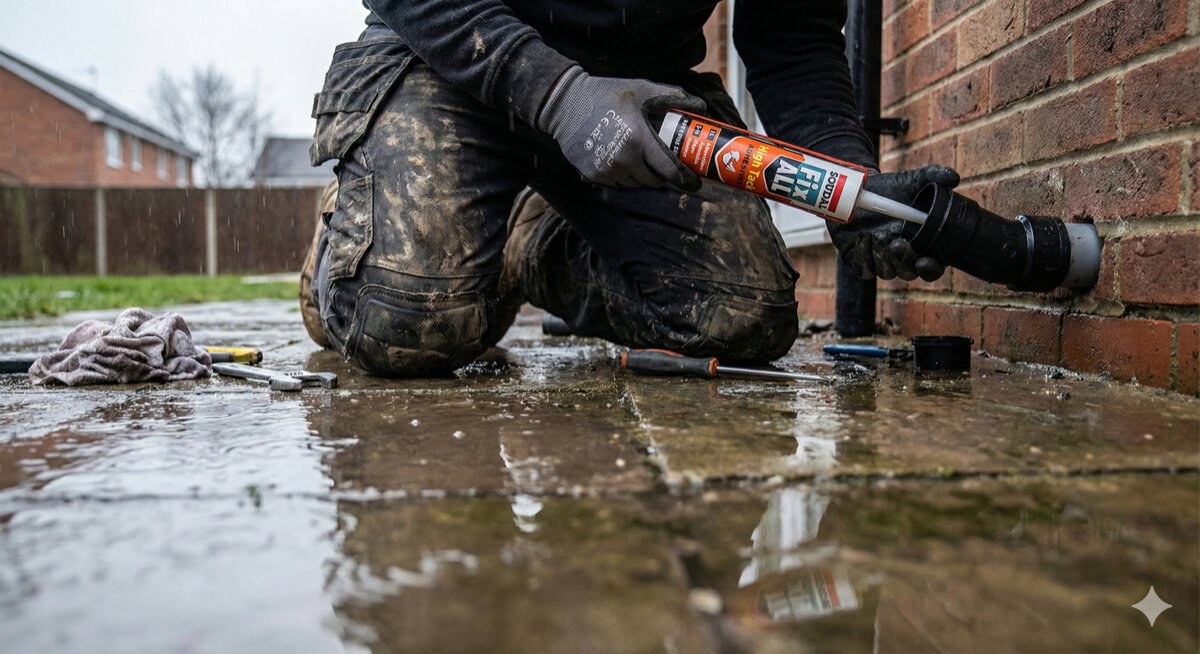
| ☐ Joints | Drips or staining below union joints | Dismantle, clean, reseal, refit |
| ☐ Brackets | Sagging or detached brackets | Re-fix or replace |
| ☐ Fall | Water pooling in sections instead of flowing to outlet | Reposition brackets to correct the fall |
| ☐ Downpipes | Blocked, disconnected, or unsecured | Clear, reconnect, re-fix clips |
| ☐ Shoes | Bottom outlet blocked or directing water at foundation | Clear and reposition if needed |
Bargeboards
| Check | What to Look For | Action If Found |
|---|---|---|
| ☐ Lower end (near eaves) | Damage, looseness, moisture ingress | Re-fix or replace |
| ☐ Verge detail | Mortar cracking/falling away, or dry verge caps displaced | Repoint or refit dry verge |
| ☐ Fixings | Board pulling away from roof timbers | Re-fix with longer screws |
| ☐ Bird entry | Gaps at the top edge (between bargeboard and tiles) | Fit bird comb or foam filler |
Seasonal Maintenance Calendar
| Season | Task | Why Now |
|---|---|---|
| Spring (March–April) | Annual visual inspection | Check for winter damage — frost, storms, heavy rain |
| Late Spring (May) | Gutter clean #1 | Clear blossom, seeds, and spring debris |
| Summer (June–August) | PVC surface clean | Best weather for cleaning; check for thermal expansion issues |
| Autumn (October–November) | Gutter clean #2 | Clear fallen leaves before winter rain |
| Winter (December–February) | Emergency checks only | After storms, check for displaced fittings or damage |
How to Clean PVC Roofline
PVC-U surfaces collect dirt, algae, pollution deposits, and atmospheric grime over time. An annual clean keeps them looking new and extends the appearance of the installation.
Cleaning Method
- Rinse the surface with clean water to remove loose dirt
- Apply a PVC cleaner or warm soapy water (washing-up liquid works well)
- Wipe with a soft cloth or non-abrasive sponge
- Rinse again with clean water
- Dry is optional — PVC air-dries quickly
Do Not Use
| Product | Why Not |
|---|---|
| Abrasive scourers | Scratch the surface, creating dull patches |
| Wire brushes | Scratch and gouge PVC |
| Bleach (neat) | Can discolour and damage the surface |
| Solvent-based cleaners | May dissolve or soften PVC |
| Pressure washer (close range) | Can damage seals and force water behind boards |
For Stubborn Stains
Specialist PVC restorer creams (available from most DIY stores) remove ingrained dirt, algae, and minor discolouration. Apply with a soft cloth and buff off. These products also leave a protective film that slows future dirt build-up.
Special Checks for Timber Roofline
If your property still has timber fascia and soffit (not yet replaced with PVC-U), the maintenance demands are significantly higher:
| Check | Frequency | Action |
|---|---|---|
| Paint condition | Every spring | Touch up any chips, cracks, or peeling areas immediately |
| Full repaint | Every 3–5 years | Sand, prime, and apply 2 coats exterior gloss |
| Rot check (screwdriver test) | Annually | Press screwdriver into timber at vulnerable points |
| Wood preservative | At every repaint | Apply to any bare timber before painting |
| Joint sealant | Annually | Check and renew sealant at board joints |
Timber roofline demands 10× the maintenance of PVC-U. If you are spending significant time and money maintaining timber, consider upgrading to PVC-U — the Kalsi roofline range provides a maintenance-free solution that lasts 30+ years.
Landlord and Property Manager Guide
For landlords and property managers responsible for multiple properties, roofline maintenance should be part of the planned preventive maintenance schedule:
Minimum Compliance
- Ensure gutters are functioning (preventing water damage is a landlord obligation)
- Maintain soffit ventilation (condensation issues affect tenant health)
- Address any structural concerns promptly
Recommended Schedule
- Annual: Visual inspection, gutter clean, report any issues
- Every 5 years: Full roofline condition survey
- As needed: Repair or replace damaged sections
Cost Efficiency
Budgeting £100–150 per property per year for roofline maintenance prevents expensive emergency repairs. A full roofline replacement (£2,000–4,000) amortised over its 30-year lifespan costs just £67–133 per year — comparable to the cost of a single repaint on timber.
When Maintenance Becomes Replacement
| Symptom | Maintenance Fix | Replacement Trigger |
|---|---|---|
| Single cracked fascia section | Replace one board | Multiple cracked sections across the property |
| One leaking gutter joint | Reseal the joint | Joints failing system-wide (old age) |
| Loose bracket | Re-fix with longer screw | Fascia too damaged to hold screws |
| Surface dirt on PVC | Clean | N/A (cleaning always works) |
| UV chalking on PVC | PVC restorer | Brittleness and cracking (end of life) |
| Timber rot in one area | Localised repair + treat | Widespread rot across multiple sections |
Frequently Asked Questions
How to maintain fascia and soffit?
Inspect the roofline visually once a year (spring is ideal). Clean PVC surfaces with warm soapy water and a soft cloth annually. Clean gutters twice a year. Check joints, brackets, and fixings for damage or displacement. Address any issues promptly. PVC-U roofline needs no painting or treatment.
How often should I clean my gutters?
Twice a year minimum — late spring (after blossom) and late autumn (after leaf fall). Properties near trees may need quarterly cleaning. Always flush the downpipes as well as clearing the gutter channel.
Can I pressure-wash PVC fascia?
You can, but with caution. Use a wide fan nozzle at low pressure (not above 100 bar) and keep the lance at least 300 mm from the surface. Do not aim directly at joints, seals, or ventilation openings. A garden hose and cloth is usually sufficient and safer.
How long does PVC roofline last?
Quality PVC-U roofline lasts 25–40 years with basic maintenance (annual inspection, twice-yearly gutter cleaning). With no maintenance at all, 15–25 years is typical as joint seals fail and blocked gutters cause secondary damage. The PVC material itself does not degrade quickly — it is the fittings and seals that need attention.
Do I need to maintain PVC soffit ventilation?
Yes. Check that vented soffit openings are not blocked by paint, debris, bird nests, or loft insulation pushed into the eaves. Blocked ventilation leads to condensation in the roof void, which can cause timber rot and mould. A quick visual check from inside the loft (you should see daylight through the vents) confirms they are clear.