UK Manufacturing vs Imports: Why British-Made Matters
Why Buy British-Made Building Products?
British-made building products offer superior quality assurance, shorter and more reliable supply chains, full compliance with UK regulations, and direct accountability from the manufacturer. When you buy from a UK manufacturer like Kalsi Plastics, you are purchasing products that have been manufactured under stringent quality control processes, tested to British Standards, and supported by a domestic team that understands UK building practices, regulations, and the specific demands of the British climate.
In an era of global supply chains and intense price competition, it can be tempting to source building products purely on cost. Imported products often appear cheaper on paper. But the true cost of a building product extends far beyond the unit price — it includes lead time reliability, technical support, regulatory compliance, warranty backing, and the environmental impact of transportation. On every one of these measures, British manufacturing offers a compelling advantage.
The State of UK Plastic Manufacturing
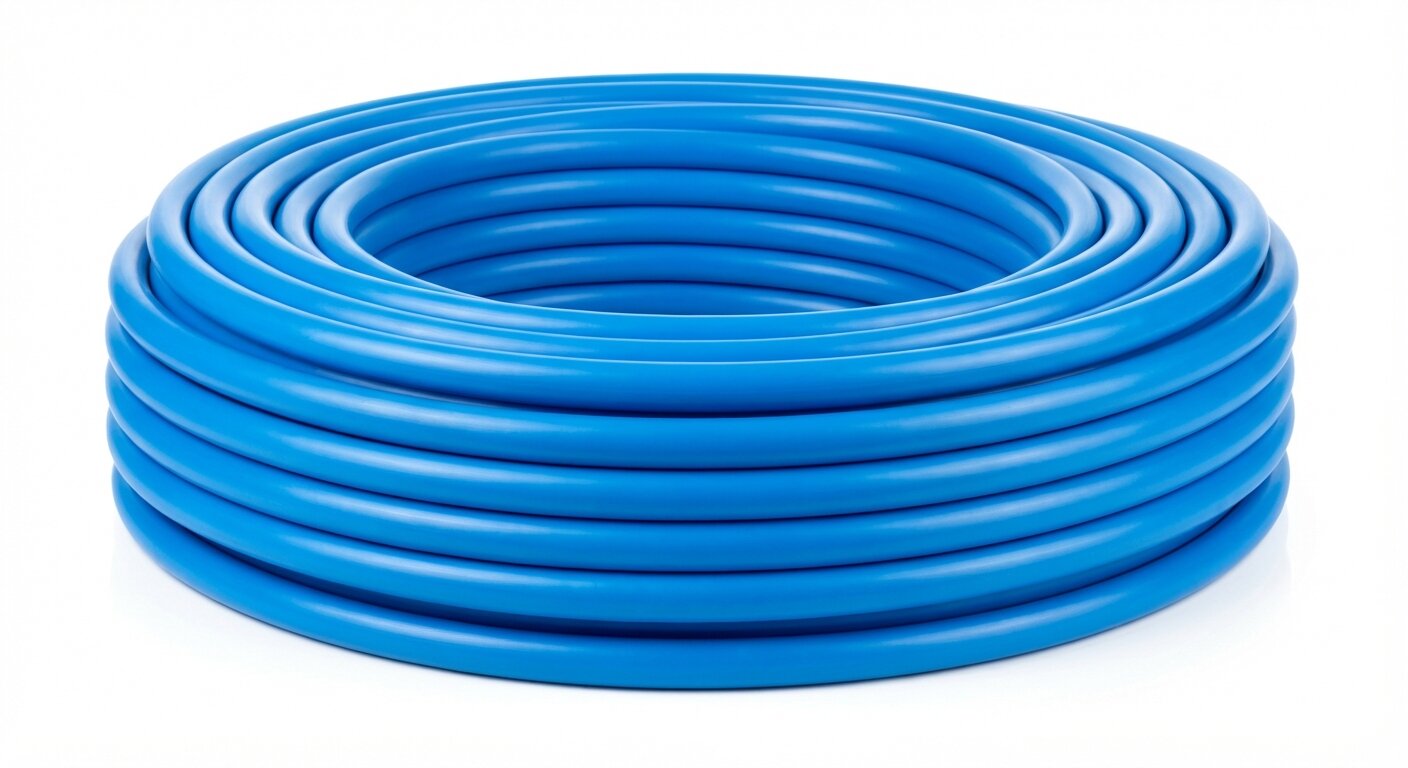
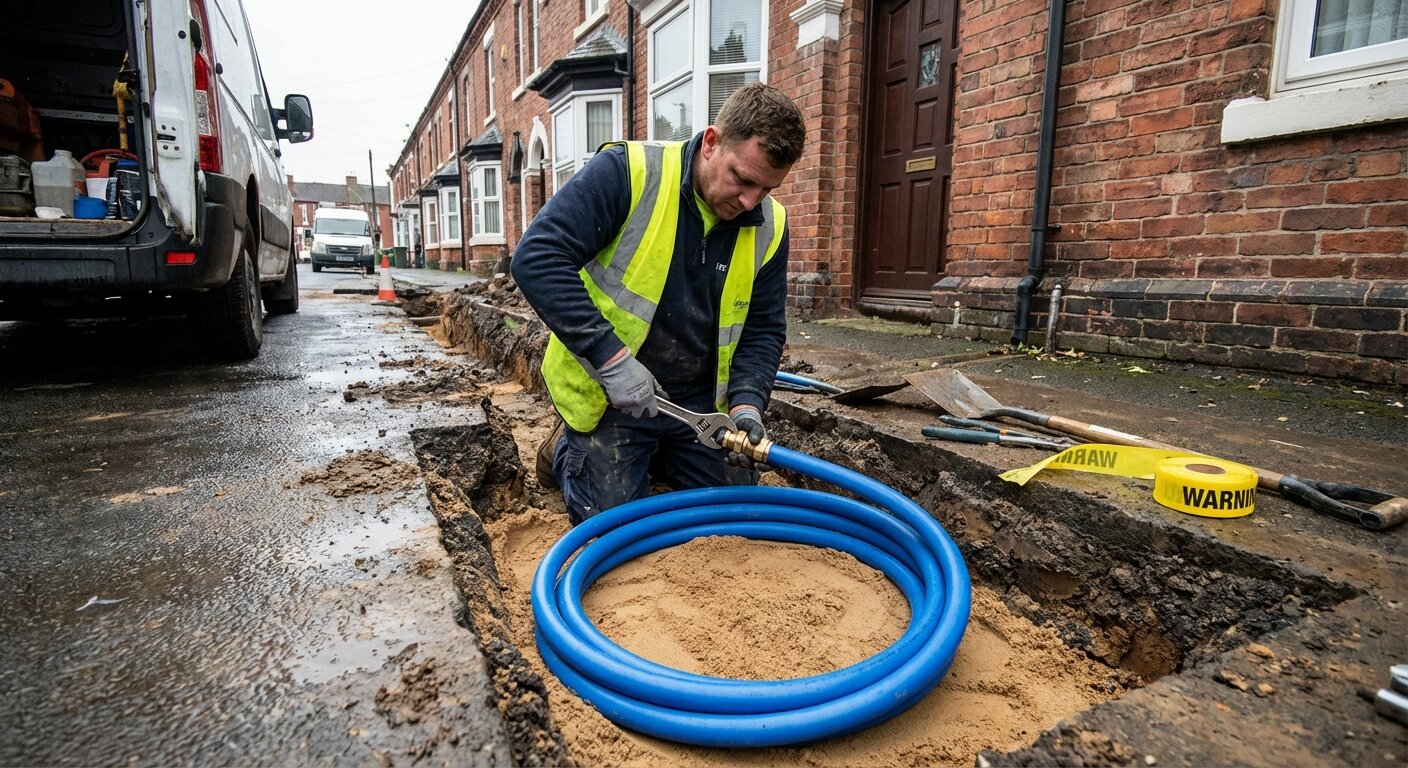
The UK has a well-established plastic building products manufacturing sector with roots stretching back to the 1960s, when PVC-U first began replacing timber and cast iron in construction applications. Today, UK manufacturers produce the full range of plastic building products — rainwater systems, roofline, underground drainage, soil and waste, wall panelling, external cladding, and MDPE water pipe — from modern, automated extrusion and injection moulding facilities.
UK manufacturers invest continuously in plant, processes, and people. Modern extrusion lines produce products to consistently tight tolerances, and in-house testing laboratories verify compliance with British and European Standards on an ongoing basis. This level of continuous quality control is difficult to verify — let alone enforce — when products are manufactured thousands of miles away.
Kalsi Plastics: Manufacturing in Birmingham
Kalsi Plastics has manufactured plastic building products in Birmingham for decades. Our facility houses extrusion lines for profiles (fascia, soffit, cladding) and pipe, injection moulding for fittings and accessories, and comprehensive in-house testing and quality control. Manufacturing in the heart of the UK gives us direct access to our customer base, short lead times, and the ability to respond quickly to changing market demands.
Quality and Standards Compliance
British Standards and European Norms
All plastic building products sold in the UK should comply with the relevant British Standards (BS EN series). These standards specify material properties, dimensional tolerances, performance characteristics, and test methods. Key standards include:
- BS EN 607:2023 — Eaves gutters and fittings made of PVC-U
- Current product declaration — Confirm the applicable rainwater pipework standard and scope; BS EN 12200 should not be quoted as current
- BS EN 1329 — Soil and waste discharge systems
- BS EN 1401 — Underground drainage pipe systems
- BS EN 12201 — MDPE pipe systems for water supply
- BS EN 10077 — Thermal performance of window frames and profiles
UK manufacturers design their production processes specifically to achieve compliance with these standards. Testing is performed in-house throughout production — not just on a sample batch that was sent for certification years ago.
The Compliance Gap with Imports
Imported products may carry CE or UKCA markings and claim compliance with the same standards. However, the level of ongoing compliance verification varies enormously. Common issues with imported building products include:
- Dimensional inconsistencies — Products that are nominally the same size but vary outside the permitted tolerances, causing fitting problems on site
- Material quality — Use of lower-grade polymers or higher proportions of recycled material that reduce impact resistance, UV stability, or long-term durability
- Incomplete certification — Products tested to one element of a standard but not the full suite of requirements
- Colour inconsistency — Batch-to-batch colour variation that is visible when products are installed adjacent to each other
- Missing or misleading markings — Products without proper identification of manufacturer, standard, or material grade
These issues rarely manifest at the point of purchase — they emerge during installation or, worse, during the product’s service life. By then, the cost of replacement significantly exceeds any initial savings.
Kitemark and Third-Party Certification
BSI Kitemark certification provides independent verification that a product consistently meets the requirements of the relevant British Standard. Kitemark certification involves:
- Initial type testing of the product
- Assessment of the manufacturer’s quality management system
- Ongoing surveillance testing with unannounced factory audits
- Regular re-testing of products purchased from the open market
For UK manufacturers, achieving and maintaining Kitemark certification is a straightforward extension of their existing quality systems. For distant overseas manufacturers, the cost and logistics of ongoing BSI surveillance audits can be prohibitive, and many choose not to pursue Kitemark certification — relying instead on self-declaration of compliance.
Supply Chain Reliability
Lead Times and Availability
UK manufacturers typically offer lead times of 1 to 5 working days for standard products and maintain stockholding across the full product range. For builders, merchants, and contractors, this means:
- Products available when you need them, not when a shipping container arrives
- Ability to order additional quantities at short notice without project delays
- Consistent availability across all product ranges, not just the most popular lines
Imported products are subject to international shipping schedules (typically 6–12 weeks from order to arrival for Far Eastern imports), port congestion, customs clearance, and all the associated uncertainties. A delay of even a few days on an import shipment can cascade through a project schedule, causing costly delays for contractors and end clients.
Responsiveness to Issues
When an issue arises with a UK-manufactured product — a dimensional query, a colour match request, or a technical question about installation — you can speak directly to the people who made it. UK manufacturers offer:
- Technical support from qualified staff who understand UK building practices
- Fast replacement if a product is damaged or faulty
- Product traceability with full batch records and material certification
- Site visits where necessary to resolve complex technical issues
With imported products, the supply chain between the end user and the manufacturer is often long and opaque. Technical queries may need to be translated and forwarded through multiple intermediaries before reaching someone with the knowledge to answer them. Warranty claims can be difficult to enforce when the manufacturer is in a different jurisdiction with different legal standards.
Environmental Considerations
Carbon Footprint of Transportation
A PVC-U fascia board manufactured in Birmingham and delivered to a builders’ merchant in Manchester has a transportation footprint of roughly 130 kilometres by road. The same product manufactured in China and shipped to the UK involves approximately 20,000 kilometres of sea freight plus overland distribution — a transportation distance roughly 150 times greater.
The environmental impact of this difference is substantial. International freight contributes significantly to global carbon emissions, and the construction industry — as a major consumer of manufactured goods — has a responsibility to consider the transportation footprint of the products it specifies.
Manufacturing Standards
UK manufacturing is governed by some of the world’s strictest environmental regulations. UK factories must comply with:
- Environmental Permitting Regulations 2016 — Controlling emissions to air, water, and land
- Energy Savings Opportunity Scheme (ESOS) — Requiring large manufacturers to audit and report on energy use
- Packaging waste regulations — Requiring responsible management of packaging materials
- Waste management regulations — Governing the disposal and recycling of manufacturing waste
These regulations add cost to UK manufacturing, but they also ensure that production is genuinely sustainable — not just cheap. When you buy from a UK manufacturer, you can be confident that the product was made under robust environmental controls.
Recycled Content
UK manufacturers are at the forefront of incorporating recycled content into plastic building products. Kalsi Plastics uses recycled PVC-U in appropriate applications — particularly in co-extruded profiles where recycled material forms the structural core, protected by a virgin outer skin that provides the required UV resistance and surface finish.
This closed-loop approach to material use reduces demand for virgin polymer, diverts waste from landfill, and lowers the overall carbon intensity of the manufacturing process — all without compromising product performance or longevity.
Economic Impact
Supporting British Jobs and Communities
Every pound spent on British-made building products supports UK manufacturing jobs — from production operatives and quality controllers to design engineers and logistics staff. UK manufacturers also support wider supply chains, purchasing raw materials, packaging, energy, and services from other British businesses.
For the construction industry specifically, using UK manufacturers supports the local building products supply chain that builders’ merchants, plumbing suppliers, and roofing merchants depend on. A strong domestic manufacturing base ensures product availability, competitive pricing, and the continued development of products tailored to UK building practices.
Trade Account Benefits
Working with a UK manufacturer like Kalsi Plastics means access to dedicated trade account managers, competitive trade pricing, and a relationship with a team that understands your business. This level of service is difficult to replicate when dealing with import agents or overseas factories.
When Imports Make Sense
It would be disingenuous to suggest that imported building products never have a place. There are situations where specialist products not manufactured in the UK need to be sourced internationally, or where specific project requirements demand a product only available from overseas. In these cases, the decision to import is driven by necessity rather than cost.
However, for the core plastic building products used in UK residential and commercial construction — rainwater systems, roofline, drainage, soil and waste, cladding, and MDPE pipe — domestic manufacturing offers better quality assurance, reliability, and value over the product’s entire lifecycle.
Frequently Asked Questions
Are British-made products always more expensive?
Not necessarily. While some imported products have a lower unit price, the total cost of ownership — including lead time reliability, technical support, warranty, and the risk of site delays — often favours UK-manufactured products. When you factor in these hidden costs, the price premium for British-made products is typically modest or non-existent.
How can I tell if a product is genuinely UK-manufactured?
Look for the manufacturer’s name and address on the product packaging and in technical documentation. BSI Kitemark certification is a strong indicator of genuine UK manufacture, as the Kitemark scheme requires regular factory audits at the production facility. Be cautious of brands that are marketed as British but manufactured overseas — check the small print.
Do imported products comply with UK Building Regulations?
Some do, some don’t. Compliance with Building Regulations is the responsibility of the person carrying out the building work, not the product importer. If you install a product that does not comply, you may face enforcement action from building control — even if the product was sold as compliant. Using certified products from reputable UK manufacturers provides the clearest route to regulatory compliance.
What certifications should I look for?
For plastic building products, look for BSI Kitemark, BBA certification, and WRAS approval (for water supply products). These third-party certifications provide independent verification that the product meets the relevant standards and has been manufactured under controlled conditions.
Does Kalsi Plastics export as well as selling domestically?
Yes. Kalsi Plastics supplies products across the UK and to international markets. Our products are manufactured to British Standards but are also specified on projects worldwide where UK-quality building products are valued.
Related Kalsi Products
- Rainwater Systems — British-manufactured PVC-U rainwater management
- Roofline Products — Fascia, soffit, and cladding manufactured in Birmingham
- Underground Drainage — Full range of below-ground drainage solutions
- MDPE Pipe and Fittings — WRAS-approved water supply pipe and compression fittings
- Wall Panelling — Interior panelling solutions manufactured in the UK