Preparing Your Roofline for Winter: Maintenance Checklist
Meta description: Essential roofline winter maintenance checklist for installers - inspection tips, gutter cleaning, repairs, and customer care advice before bad weather hits.
Suggested URL: /blog/roofline-winter-maintenance-checklist
Introduction
Winter tests rooflines like no other season. Heavy rain overloads gutters, freezing temperatures stress joints, and storms punish any weakness in fixings or seals. For roofline installers, autumn represents both a maintenance opportunity and a chance to build customer relationships.
This guide provides a systematic approach to winter roofline preparation – useful for your own maintenance services and as guidance for trade customers advising their clients. A thorough pre-winter check prevents emergency callouts, protects properties, and generates goodwill.
The Pre-Winter Inspection Checklist
Guttering System
Visual check (from ground level):
- Sagging or misaligned sections
- Obvious cracks or damage
- Bracket failures or gaps
- Vegetation growth (moss, plants in gutters)
- Staining on fascia (indicates overflow)
- Downpipe condition and fixing
Close inspection (ladder/tower access):
- Debris accumulation depth
- Joint seal condition
- Bracket security (test by hand)
- Gutter clips engaged properly
- Outlet and downpipe connection
- Any standing water (indicates fall problem)
Action required if:
- Debris more than 25mm deep → clean
- Any bracket loose → repair/replace
- Joints leaking → reseal or replace
- Cracks visible → replace section
- Alignment issues → reset or replace brackets
Fascias
Visual inspection:
- Paint condition (timber fascias)
- Surface deterioration or chalking (PVC)
- Cracks, splits, or damage
- Fixings visible or proud
- Gaps at joints
- Water staining
Close inspection:
- Probe timber for soft spots (rot test)
- Check PVC for brittleness (tap test)
- Examine fixings – are they secure?
- Inspect joint covers
- Check seal to wall/barge
Action required if:
- Timber soft → repair or replace
- Paint failing → repaint or consider PVC replacement
- PVC cracked/brittle → replace affected sections
- Fixings failed → re-fix with larger gauge or new positions
Soffits
Visual inspection:
- Damage or holes
- Bird or insect entry points
- Staining (may indicate roof leak above)
- Ventilation holes clear (if applicable)
Close inspection:
- Ventilation strip condition
- Connection to fascia
- Connection to wall trim
- Structural integrity
Action required if:
- Holes present → repair or replace (prevent bird/wasp entry)
- Vents blocked → clear and ensure airflow
- Loose sections → re-secure
- Ventilation inadequate → discuss upgrade
Downpipes and Drainage
Visual inspection:
- Alignment and fixing
- Obvious blockages (bulging at joints)
- Connection to gully/drain
- Swan neck condition
Functional test:
- Run water through system
- Check flow rate at drain outlet
- Listen for restrictions
- Watch for leaks at joints
Action required if:
- Flow restricted → rod and clear
- Leaks at joints → replace seals/sections
- Fixings loose → re-secure
- Drain blocked → clear or advise drainage contractor
Gutter Cleaning: The Essential Task
Why It Matters
Blocked gutters cause:
- Overflow against fascia (rot, staining)
- Water pooling around foundations
- Ice dams in freezing conditions
- Additional weight stress on brackets
- Mosquito breeding in standing water
Cleaning Method
Equipment needed:
- Ladder/tower with stabiliser
- Gloves (heavy duty)
- Gutter scoop or trowel
- Bucket or bag for debris
- Hose for flushing
- Drain rods (if blockages suspected)
Procedure:
- Position access equipment safely
- Remove bulk debris by hand into bucket
- Work towards outlet, don’t push debris into downpipe
- Scoop out remaining silt and sedite
- Flush with hose towards outlet
- Test downpipe flow
- Clear any restrictions with rods
- Verify water reaches drain
Frequency Recommendation
- Properties with overhanging trees: Twice yearly minimum (autumn and spring)
- Standard properties: Annual (late autumn, after leaf fall)
- Low-vegetation areas: Every two years may suffice
Gutter Guard Options
For properties with persistent debris problems, recommend:
- Mesh guards: Stop leaves, allow water through
- Brush inserts: Debris sits on top, water flows below
- Solid covers with slots: Keep gutters clear, shed debris
Note: All guards require occasional maintenance – they’re not “fit and forget.”
Common Pre-Winter Repairs
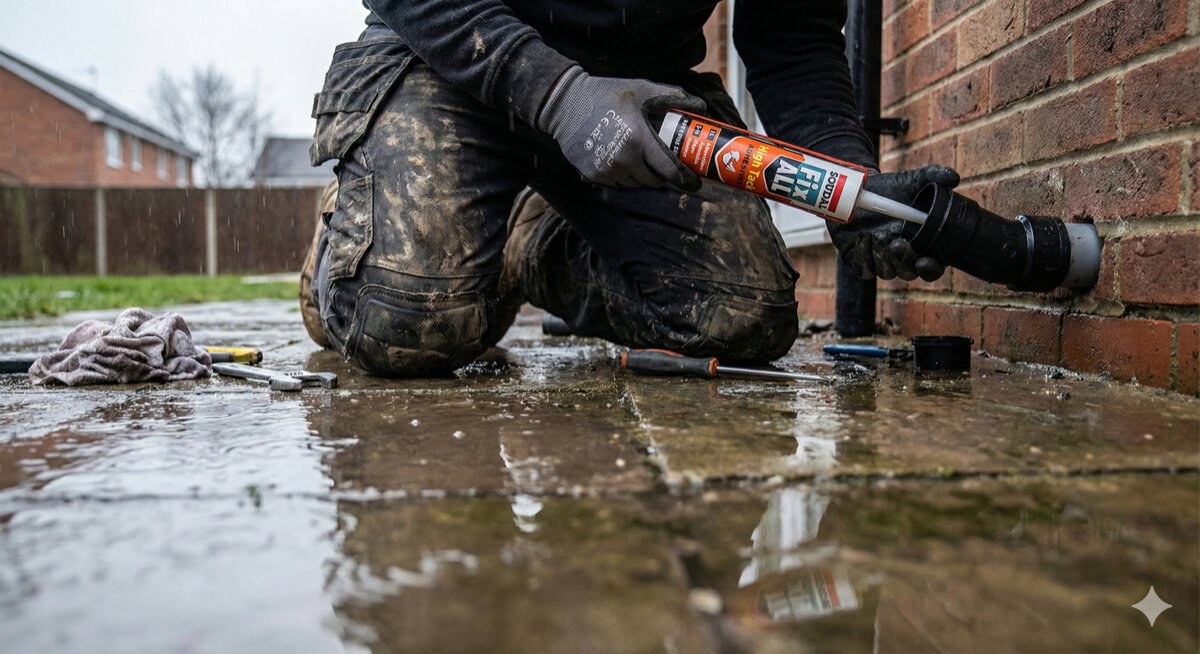
Resealing Joints
Failed gutter joints are the most common leak source.
For push-fit systems:
- Separate joint (may need gentle prising)
- Clean old sealant and debris
- Check rubber seal condition – replace if damaged
- Apply silicone lubricant to seal
- Reassemble joint firmly
For union joints:
- Remove union clip
- Clean joint faces
- Apply gutter sealant to both faces
- Replace union and clip tightly
- Allow sealant to cure before testing
Bracket Replacement
Signs of bracket failure:
- Gutter sagging between brackets
- Visible gap behind bracket
- Bracket bent or broken
- Fixings pulled from fascia
Replacement procedure:
- Support gutter weight temporarily
- Remove failed bracket
- Check fascia condition at fixing points
- If fascia sound, fit new bracket (offset position if holes enlarged)
- If fascia damaged, repair fascia first
- Ensure new bracket achieves correct fall
Downpipe Realignment
Downpipes work loose over time, especially where they connect to gullies.
Realignment procedure:
- Check all clips are present and secure
- Tighten loose clips or replace
- Ensure pipe is vertical
- Check shoe is directing water into drain
- Secure any swan neck sections
Advising Customers
Creating a Maintenance Service
Regular roofline maintenance builds customer relationships and generates predictable income.
Service package might include:
- Annual gutter clean
- Full roofline inspection
- Minor repairs included
- Priority callout in emergencies
- Report with photos
Pricing considerations:
- Standard 2-bed house: £50-80 for clean and inspect
- Larger properties: Pro-rata based on gutter run
- Repairs quoted separately or small works included
Educating Homeowners
Provide customers with guidance:
Tell them to watch for:
- Water overflowing during rain
- Damp patches on walls below gutters
- Plants growing in gutters (visible from ground)
- Gutters pulling away from fascia
Tell them NOT to:
- Clean gutters without proper equipment
- Pour boiling water to clear ice (thermal shock damage)
- Ignore small problems (they become big ones)
- Pressure wash PVC (can damage surface)
Emergency Preparedness
Brief customers on winter emergencies:
If gutters freeze:
- Don’t try to force ice out
- Allow to thaw naturally
- Salt/grit in gutters can help prevent refreezing
- Consider pipe lagging for exposed downpipes
If storms damage roofline:
- Stay safe – don’t attempt roof-level repairs in bad weather
- Temporary measures may be needed (tarpaulin, bucket under leak)
- Call for professional assessment once safe
Winter Working Considerations
Safety in Adverse Conditions
Cold weather:
- Hands lose dexterity – wear appropriate gloves
- Ice on surfaces increases slip risk
- PVC becomes brittle below freezing – handle carefully
- Adhesives/sealants may not cure properly
Wet conditions:
- Increased slip hazard on ladders and platforms
- Electrical safety with power tools
- Visibility reduced in heavy rain
- Some repairs need dry conditions
Wind:
- Maximum safe working wind speed typically 23mph
- Ladder stability compromised in gusts
- Materials become sails – secure everything
- Postpone if conditions unsafe
Scheduling Tips
- Complete inspections and maintenance before November
- Schedule major repairs for dry weather windows
- Keep emergency slots for urgent callouts
- Communicate weather-related delays proactively
The Winter Maintenance Sales Opportunity
Autumn maintenance visits create opportunities:
Identify upgrade candidates:
- Properties with failing timber fascias
- Undersized guttering overflowing
- Missing or inadequate ventilation
- Old uPVC ready for replacement
Plant seeds for spring work:
- “Your fascias will need replacing within a year or two”
- “I can quote for upgrading to high-capacity guttering”
- “We should look at this properly when weather improves”
Build referral business:
- Satisfied maintenance customers refer neighbours
- Leave extra business cards for sharing
- Offer referral incentives
Conclusion
Pre-winter roofline maintenance protects properties, prevents emergency situations, and builds your business. A systematic inspection catches problems while they’re still minor repairs rather than major replacements.
Whether offering maintenance services yourself or advising trade customers, the message is clear: preparation beats reaction. Spending two hours in autumn prevents two days of damage repair in January.
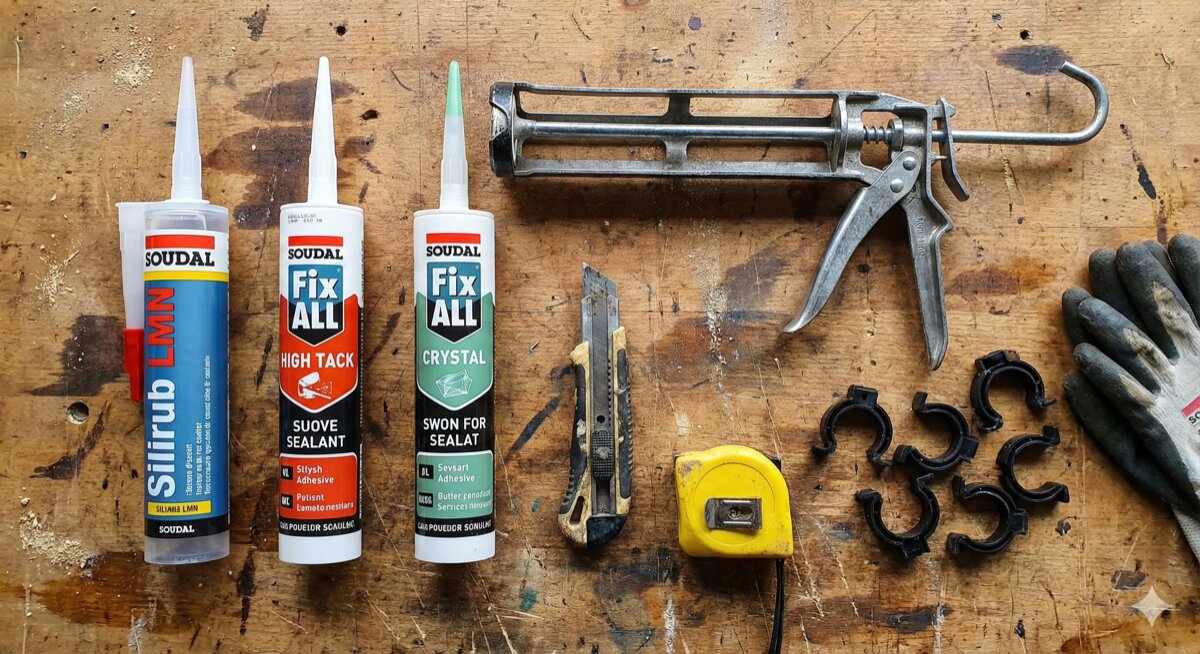
Stock up on maintenance supplies and replacement parts before the rush – brackets, seals, joint strips, and clips. Having common items to hand means faster service and happier customers.
Internal links:
- Gutter brackets (all systems)
- Gutter seals and gaskets
- Joint clips and union fittings
- Gutter guards and accessories
- Downpipe clips and fixings
- Fascia and soffit repair products
Word count: 1,398 words